
Acupuncture—a needle-based alternative therapy—has been used to help promote weight loss. Practiced in traditional Chinese medicine for millennia, acupuncture is believed to stimulate the body’s flow of energy (“chi”), and research suggests that it may improve several factors known to contribute to weight gain and obesity.
Katherine Hanlon / Unsplash
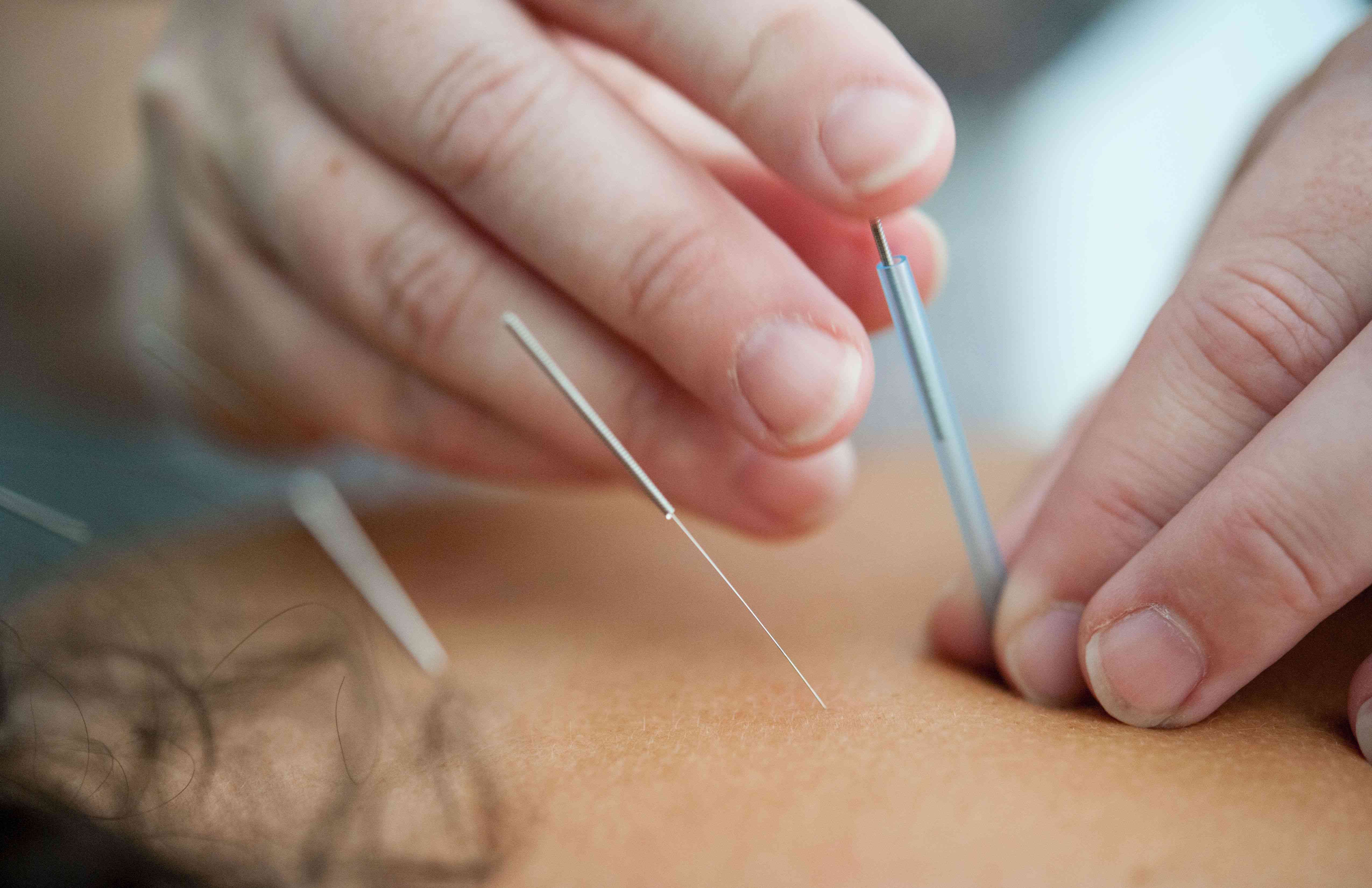
Acupuncture is a traditional Chinese medical practice of placing thin, flexible needles into the body at specific points. Used for more than 2,500 years, this therapeutic modality has become more popular in North America in recent years and is now recognized as a safe and effective treatment for a myriad of health concerns, including aiding in weight loss.
Traditionally, acupuncture has been thought to regulate the flow of qi/chi (energy) in the body, and help bring the body back into balance. It has been used to help manage a range of conditions, such as migraines, infertility, pain management, and weight loss.
At your first appointment, your acupuncturist will take a general health history and identify your weight loss goals. They will help identify the root of the problem (e.g., slow metabolism, thyroid issues, binge eating) to determine the most effective treatment plan for you.
The needles used for acupuncture are thin, designed to work effectively without causing pain or bleeding. Generally, the needles are left in for 15 to 30 minutes per session. The practitioner may lift or rotate the needles as part of the technique during your session. Many people report that acupuncture treatments are relaxing and relatively pain-free.
For weight loss, acupuncturists tend to focus on the ear. Key research suggests that stimulating certain points on the outer ear will help balance hormones that help reduce cravings and appetite.
Acupuncture can influence two hormones that aid in weight loss:
By stimulating these two hormones, acupuncture can curb your cravings and appetite, improve digestion, and boost your metabolism.
Recent research shows that acupuncture may help with weight loss.
When paired with lifestyle modifications, such as regular exercise and eating a balanced diet, a 2018 review of studies concluded that acupuncture is effective for weight loss.
To find a reputable acupuncturist in your area, a little legwork might be in order, as licensure and regulation vary from state to state. Do some research into the background of anyone you are seeking treatment from—check their training and credentials.
In some states, you can receive acupuncture from chiropractors, naturopathic healthcare providers, massage therapists, and medical healthcare providers who have received training through their governing bodies. Most states require that acupuncturists pass an exam conducted by the National Certification Commission for Acupuncture and Oriental Medicine.
The risks of acupuncture are low if provided by a certified, competent practitioner who uses sterile needles.
The most common side effects of acupuncture include:
Before your first acupuncture treatment, tell your healthcare provider you’re considering this complementary therapy. They may recommend a reputable practitioner if acupuncture is right for you. Competent acupuncturists should be willing to work with your other healthcare providers, including your primary care provider.
Though the research shows promising evidence that acupuncture may help aid in weight loss, don’t expect it to be the magic bullet. For best results, you need to focus on optimal health by maintaining a healthy diet, utilizing stress reduction techniques, and keeping up a regular exercise program in addition to your acupuncture treatments. Choosing a trained and licensed practitioner is important for safety and best results.