
When deciding on a contraceptive method, certain birth control considerations might come into play. The effectiveness of contraception might or might not be an important consideration. However, the reliability of any contraceptive method depends on whether it's used consistently and correctly.
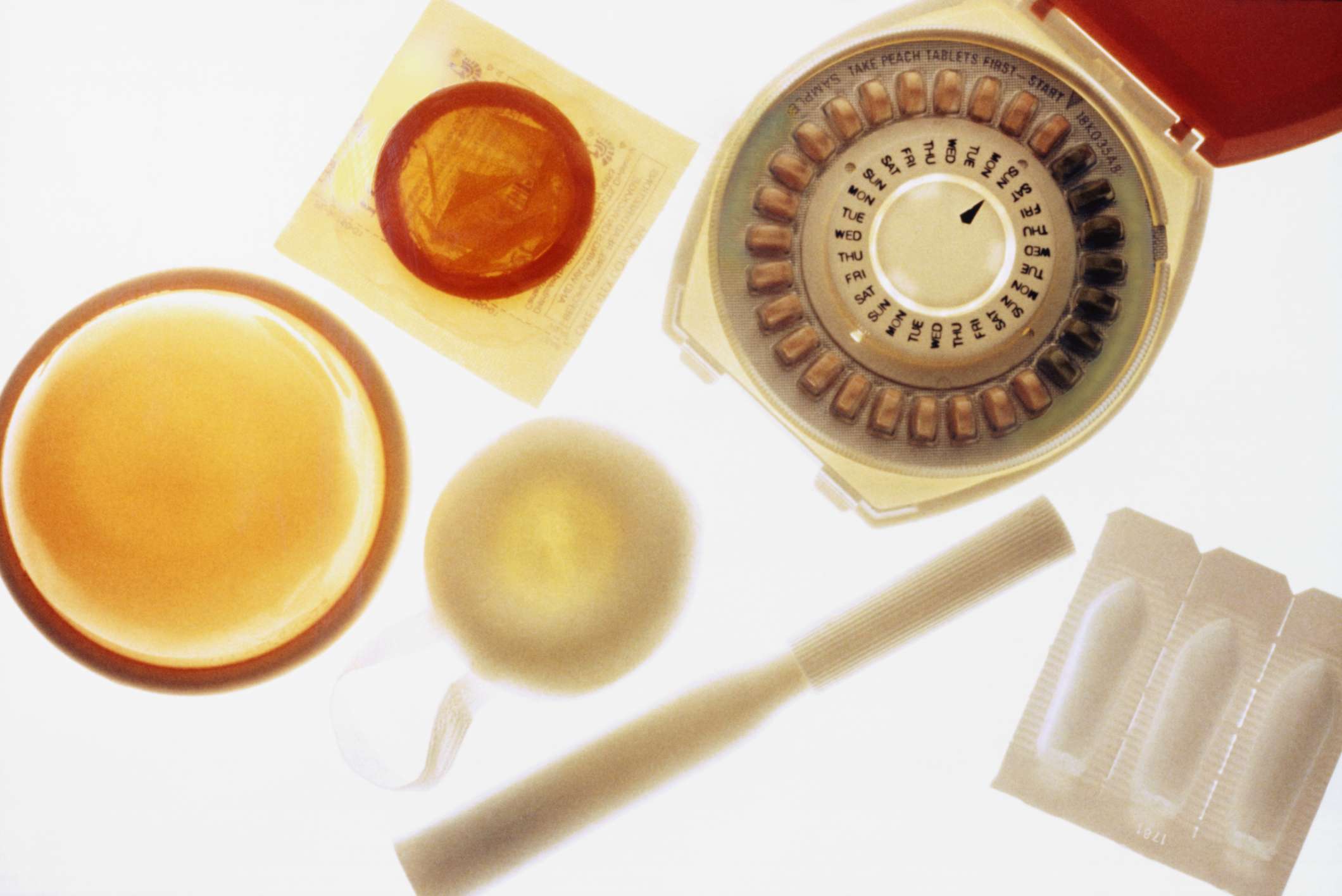
That being said, the failure rates of some methods are significantly higher than others. You need to decide what level of effectiveness is most acceptable to you.
There also are actions that you can either start doing or stop yourself from doing that can actually have an effect on your birth control method.
1:49To understand how to determine the effectiveness of contraception, it is important to know that effectiveness rates are often provided as typical user rates and perfect use rates.
The typical user success rate is generally lower than the success rate of the method if used perfectly.
Abstinence is the only 100% effective method in preventing both pregnancy and sexually transmitted diseases. All other birth control options carry some risk of failure.
The ParaGard IUD (Copper T 380A), the Mirena IUD, Kyleena IUD, Liletta IUD, Nexplanon, Depo Provera injections, tubal ligation, and vasectomy tend to be the most highly effective methods of birth control.
In general, methods that require less for a person to do tend to have lower failure rates.
Birth control pills (both combination and progestin-only) and other prescription options such as The Patch and the NuvaRing tend to have a high typical user success rates of around 92%.
Continuous breastfeeding (Lactational Amenorrhea Method – LAM) is another birth control method that yields a high typical use effectiveness rate.
It is important to point out that this effectiveness rate only applies to women who are exclusively breastfeeding.
This means that a woman feeds her baby at least 6 times a day with both breasts, does not substitute other foods for breast milk, and feeds her baby every 4 hours during the day and every 6 hours at night.
Additionally, this method is not as effective if a woman has had a period since giving birth. A woman should also not rely on this method once she is 6 months post partum. After 6 months, the Lactational Amenorrhea Method is no longer a reliable form of birth control.
Natural family planning methods (combined) tend to provide moderate typical user success rates, from 78 to 88%.
Barrier methods, which include the male condom, female condom, diaphragm, spermicide, the cervical cap, and the sponge (for those who have not given birth) also yield fair typical user success rates between 71 to 85%.
To have a reference point to compare these levels to, it may be helpful to know that statistics indicate that women who are sexually active for one year and do not use a contraceptive method have an 85% chance of becoming pregnant in that year.
It is important to note, however, that this number is highly variable and is dependent on a woman’s age and how frequently she engages in intercourse.
A woman is also more likely to become pregnant is she has unprotected sex during the most fertile days of her cycle.
It is important for you to evaluate the effectiveness of contraception and carefully consider which level of reliability you feel most comfortable with. Additionally, keep in mind that certain factors may greatly affect the effectiveness of contraception, including: