
Naturally, anyone who experiences the agony of an ingrown hair will do whatever it takes to prevent it from happening again—and especially if that sucker is planted squarely on the face. That’s enough for a man to stop shaving his face altogether, in particular if he’s prone to consistent ingrowns. But instead of giving up the razor, there is an effective routine to prevent ingrown hairs in the first place (along with a regimen to treat and heal them quickly, whenever they do arise).
And while every person is susceptible to ingrown hairs—often the result of improper or hasty shaving—it’s men who are most prone, says board-certified dermatologist James Collyer, MD, of Modern Dermatology in Seattle. “Thicker, denser hair is more prone to becoming ingrown, and men generally have thicker ‘terminal’ hairs than women,” Collyer notes. Terminal hairs are those that start growing in puberty—anything on the body that sprouts up thick and dense, like on the legs, face, chest, back, feet, and so forth. ("Vellus" hairs, which are the short, fine hairs we have all over the body from a young age, are more prominent in women.)
So, what are the best ways to prevent and treat ingrown hairs? Read on to get Collyer’s advice, alongside that of board-certified dermatologist Karan Lal, MD, of UMass Memorial Medical Center in Worcester, MA (and a member of the Society for Pediatric Dermatology).
Anything you pluck, wax, or shave creates an opportunity for an ingrown hair, Collyer notes, since the new or freshly shorn hair will have to make its way out of the skin untrapped.
"Always wash your face with antibacterial wash—with sulfur or benzoyl peroxide—prior to shaving if you are prone to ingrown hairs,” Lal says. This will neutralize any bacteria, which can proliferate inside the skin along with those trapped hairs. This will also help prevent overall irritation and shaving bumps, too.
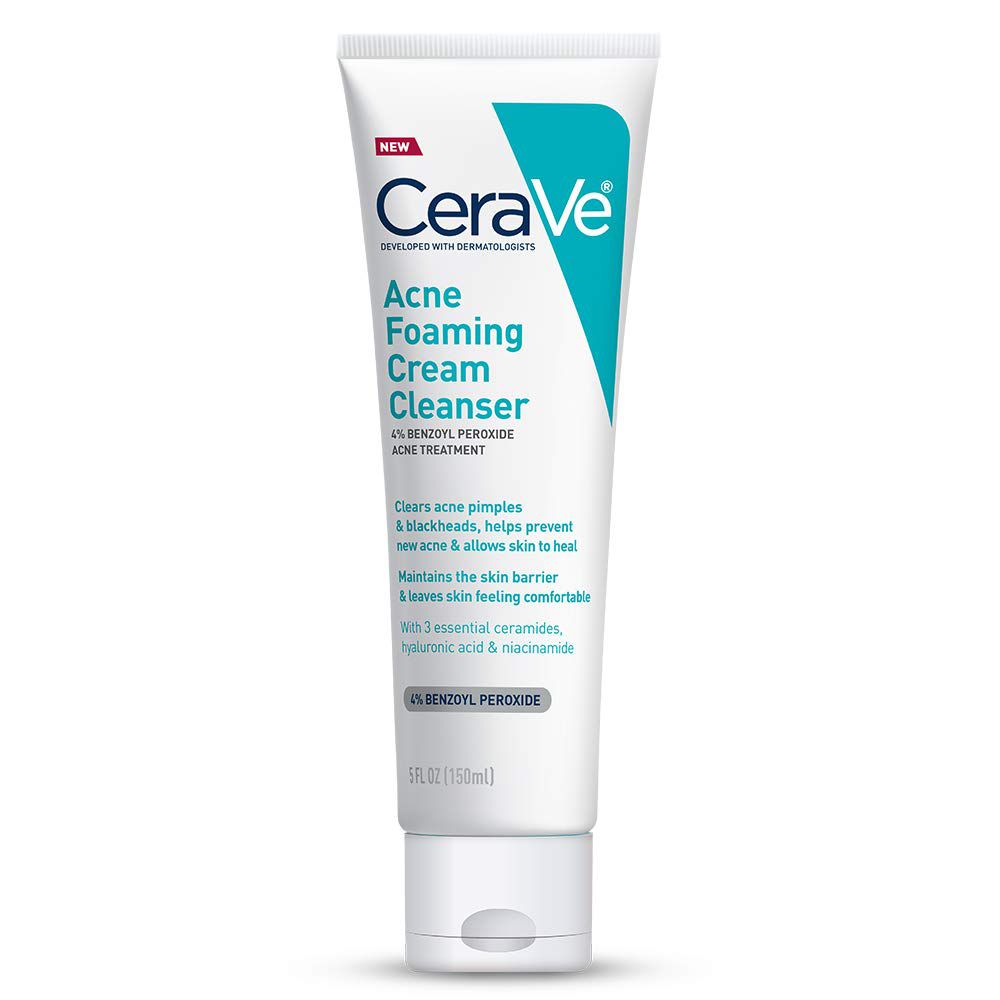 CeraVe
Acne Foaming Cream Cleanser with 4% Benzoyl Peroxide
$12
Shop
CeraVe
Acne Foaming Cream Cleanser with 4% Benzoyl Peroxide
$12
Shop
The safest shave regimen is one that carefully goes through every step of the shave and makes no haste, both doctors agree. The regimen should include a skin-conditioning and hair-softening pre-shave oil, a sensitive shave gel, and a soothing/toning post-shave recovery balm, not to mention steady strokes throughout the shave, with frequent warm rinses to clear away debris from the razor. By taking your time, you also turn the regimen into more of a therapeutic process.
 Truefitt & Hill
Ultimate Comfort Pre-Shave Oil
$25
Shop
Truefitt & Hill
Ultimate Comfort Pre-Shave Oil
$25
Shop
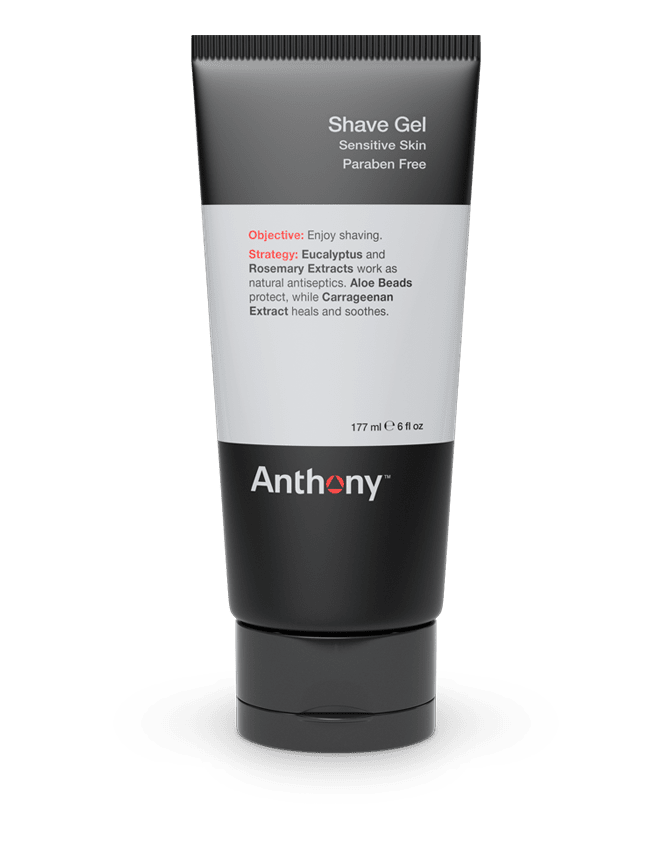 Anthony
Shave Gel—Sensitive Skin
$24
Shop
Anthony
Shave Gel—Sensitive Skin
$24
Shop
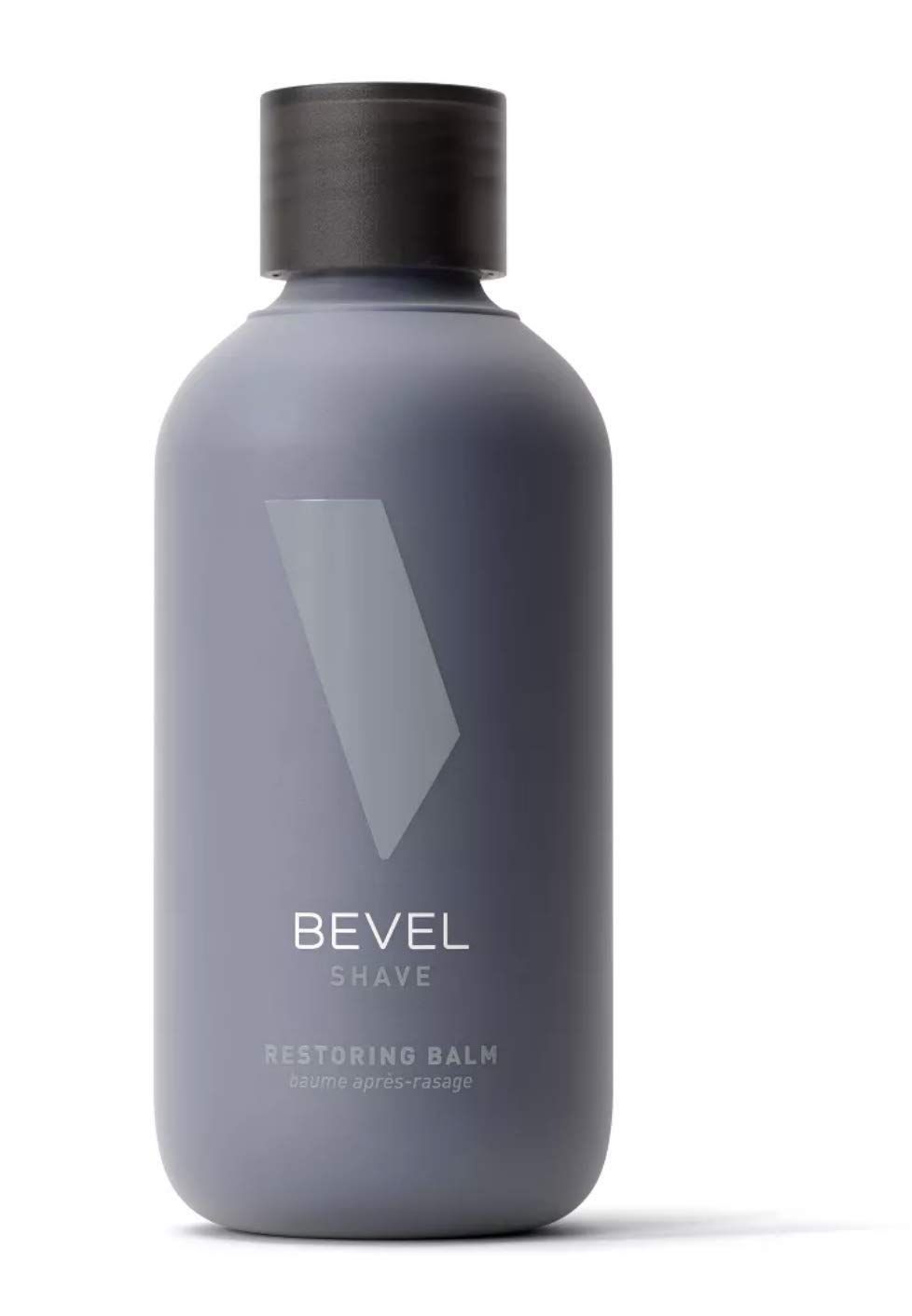 Bevel
Aftershave Balm
$14
Shop
Bevel
Aftershave Balm
$14
Shop
“Always shave with a damp, moist face—usually after a shower,” Collyer says. It’s best done with warm water, too, to help relax the hairs and open the pores; this will give you less resistance or rigid hair-cutting from the shave, and minimal razor drag. (Razor drag is not only irritating but it can cause dead cells and clippings to become trapped in the pores.) You should also use a shaving cream or gel, Collyer adds, as opposed to shaving dry or using skin-drying shave soaps. The more moisture you have, the more lubricated and protected the skin is against ingrowns.
It’s also important to use fresh blades when you shave, in order to minimize the aforementioned razor drag from a dull blade, as well as any chance for bacterial infection. Ideally, you’ll switch after 6-8 shaves, or every 3-4 weeks, whichever one comes first. But if you shave infrequently enough, just toss the blade after each shave, or look to the next tip for a possibly cheaper alternative.
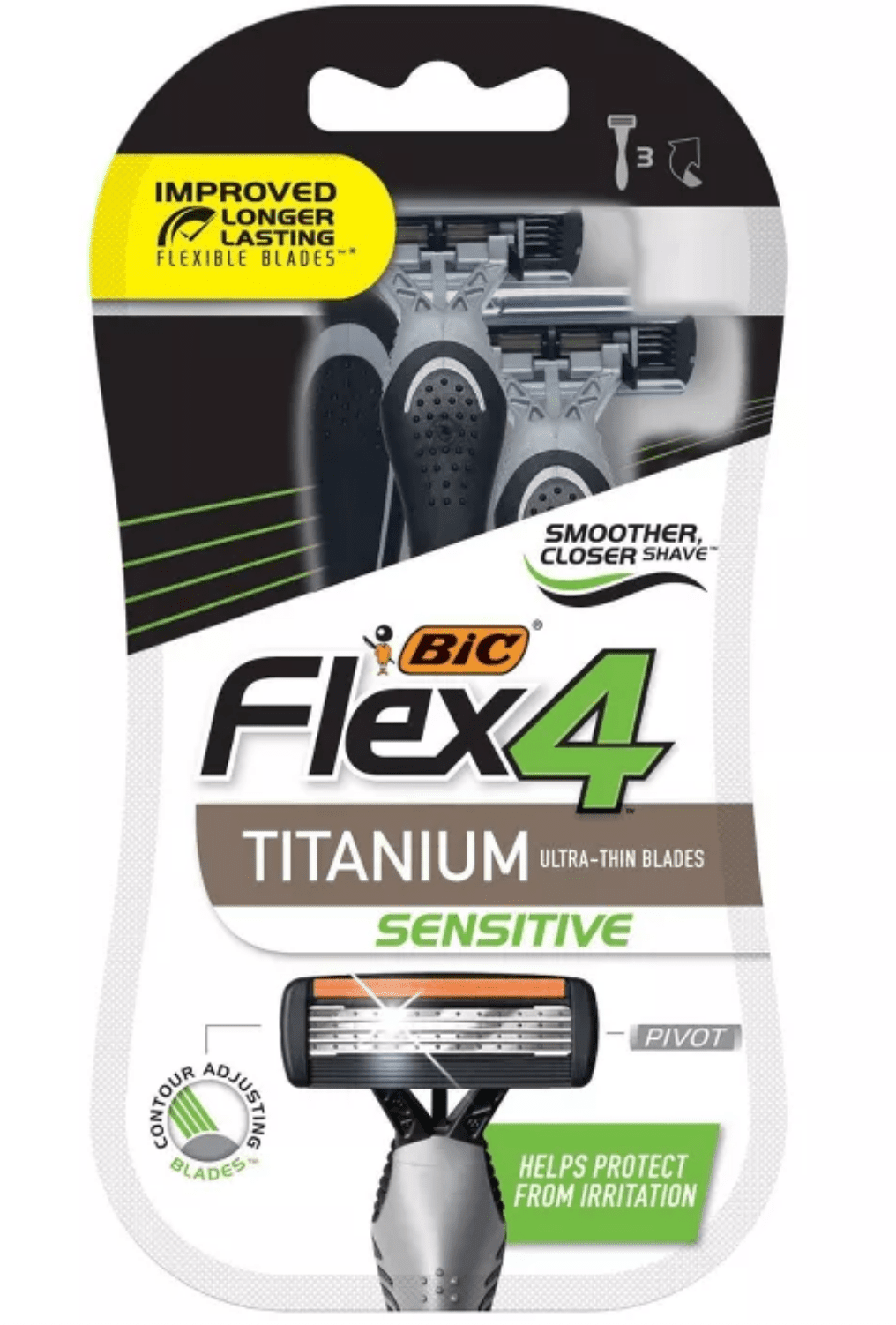 BIC
Flex4 Titanium Sensitive Men's Disposable Razors - 3ct
$6
Shop
BIC
Flex4 Titanium Sensitive Men's Disposable Razors - 3ct
$6
Shop
Once you switch to a safety razor shave, you really never do go back. That’s because they promise a closer shave overall. But the closer your shave, the more likely you are to get ingrown hairs, Collyer says. That’s because “close shave” translates to “hairs cut further below the surface of the skin”. What a safety razor does, though, is deploy a single blade to cut the hair, rather the 3-6 blades that cartridges provide. The idea that “more is better” is ridiculous, especially since more razors means more dragging, more trapping debris, more opportunity to push that hair below the surface of the skin or shave away too many cells, which all is a recipe for trapped hairs. In other words (and in short), a safety razor hits the sweet spot between a close shave and not an overly close shave. Not to mention, its blades are cheaper, and much easier to buy in bulk (and thus part ways with, to promote better shave hygiene).
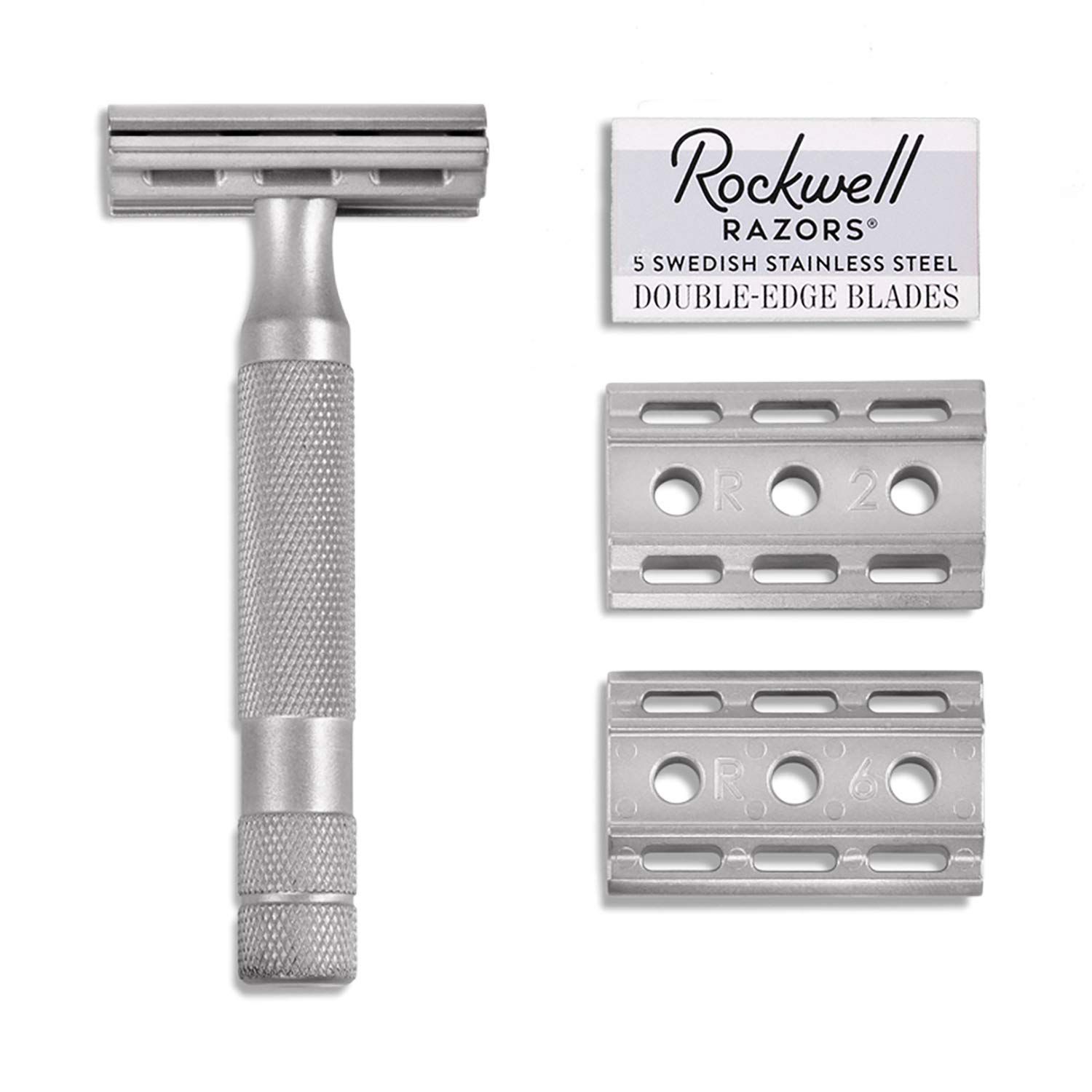 Rockwell Razors
6S Stainless Steel Adjustable Double Edge Safety Razor + 5 Blades
$100
Shop
Rockwell Razors
6S Stainless Steel Adjustable Double Edge Safety Razor + 5 Blades
$100
Shop
Lal says to shave with the grain of the hair—that is, in the direction it grows—so that when you slice the hair at the skin’s level, it is less likely to wedge itself underneath the surface. And, by not pulling the skin taut, as you would with a regular shave, you can prevent an even closer result. That fraction of a millimeter could be the difference between a trapped hair or a freed one.
If you’ve tried it all to no avail, then it might be time to throw in the towel. An electric razor is your truest prevention against ingrowns, says Collyer. That’s because razors all cut the hair slightly below the surface of the skin, whereas electric razors trim it right above. While you may have to freshen up every day (to avoid stubble from showing), it can still beat any irritation and ingrowns.
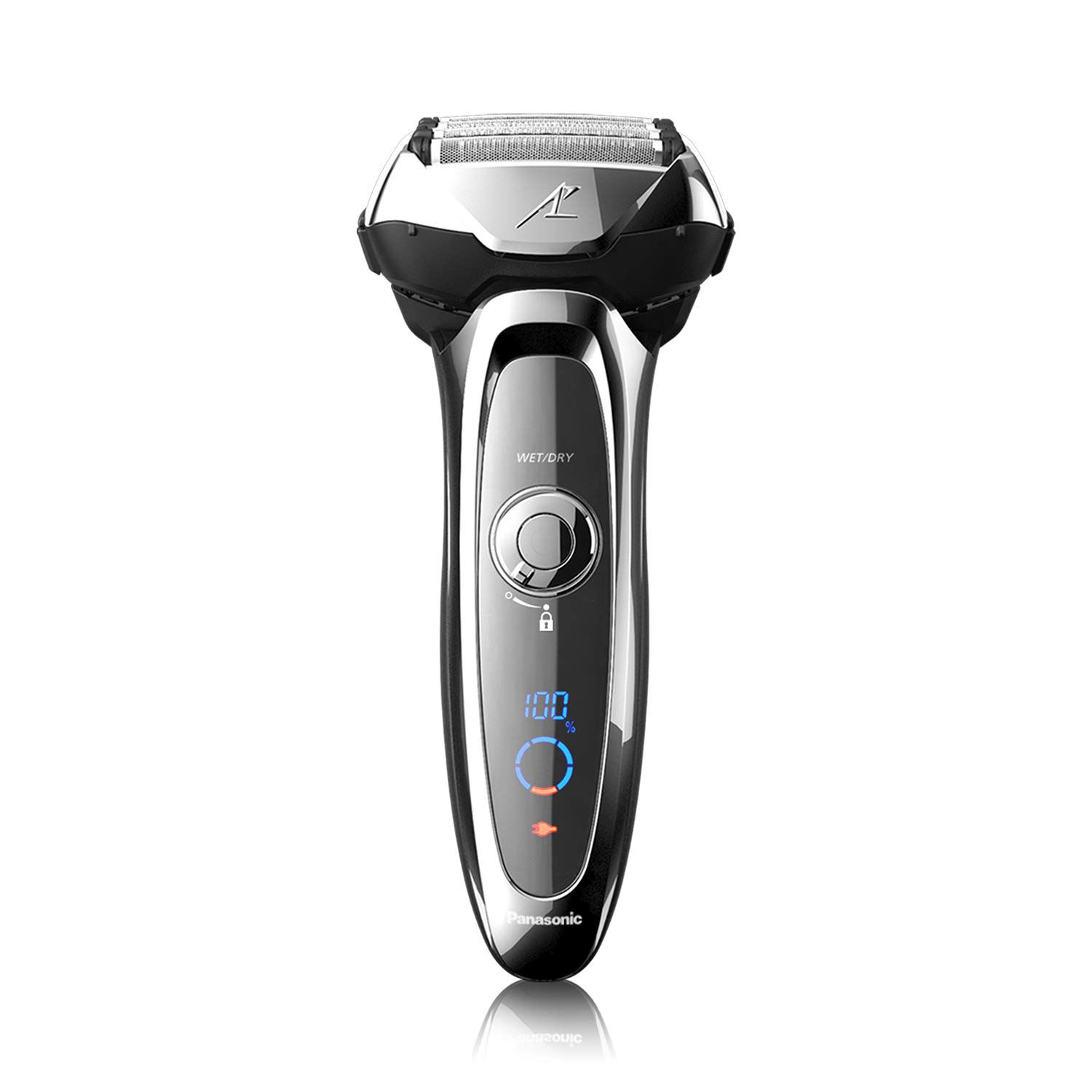 Panasonic
Arc5 Electric Razor
$143
Shop
Panasonic
Arc5 Electric Razor
$143
Shop
Follow these steps, in order, if you have an existing ingrown hair and need to extract it safely. It’s the exact advice Collyer gives his patients.
“If the area becomes red, hot, and tender,” then you should go see a board-certified dermatologist right away, Collyer says. “Especially if the redness starts spreading outward, or if a ‘pus’ bump appears. This may mean it’s infected.”
Byrdie Boy: A Guide to Getting Your First Botox Treatment