
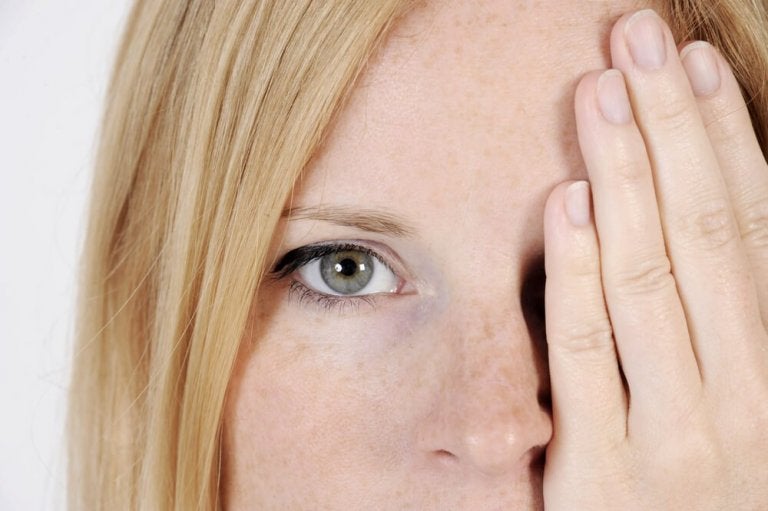
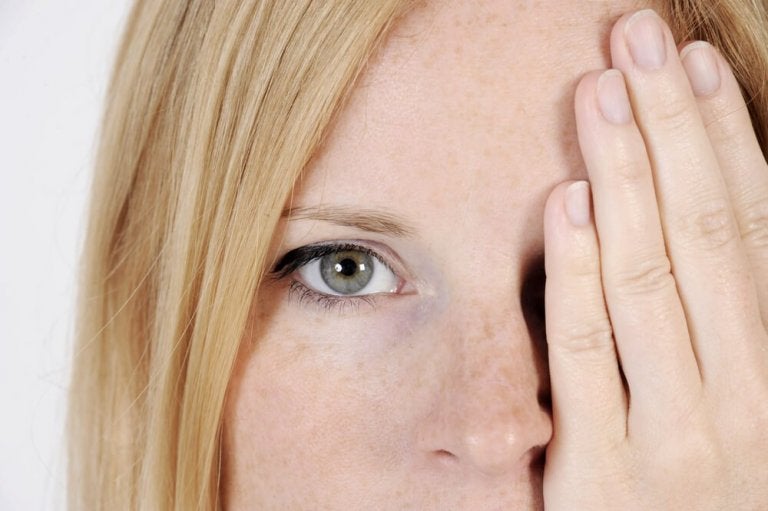
Facial dark spots are due to an overproduction of melanin, a chemical component that’s responsible for the color of our skin. When the body produces a lot of it, however, the extras tend to concentrate in specific areas of the body. In addition, this hyper-pigmentation could also be the result of exposure to the sun or hormonal imbalances, among other factors.
While irregular pigmentation is usually associated with aging, facial spots could also appear towards the end of adolescence on any type of skin.
Overall, skin pigmentation disorders are very common. However, they don’t have serious consequences, apart from the aesthetic disadvantages, so there’s no need to worry too much about them.
Next, we’ll take a look at some of the things that cause facial dark spots. Take note and keep them in mind if you’re trying to keep these skin spots at bay.
Hormonal changes are the most frequent cause of the appearance of dark spots on the face. In addition, birth control pills and other medications that alter your hormonal balance may cause dark spots when skin is exposed to sunlight.
Also, hormonal activity may reveal melasma, a form of irregular pigmentation that affects some pregnant women.


One of the other things that increase the appearance of facial brown spots is uneven exposure to sunlight that causes an irregular production of melanin. After all, excessive sun exposure plays a critical role in the formation of all types of skin spots.
The Spanish Agency of Medicines and Health Products (AEMPS) reminds us that no sunscreen offers total protection against the risks derived from solar radiation. Even if a high protection factor is used, it’s not good to stay in the sun for long periods of time.
Daily application of sunscreen or a day cream with a high UV index scale of protection is highly recommended, especially if you live in a sunny climate. You should also apply a moisturizer with a medium protection factor every morning, even during the less bright winter days.
Sun exposure of an irritated or inflamed pimple can cause hyperpigmentation. This is another common cause of brown spots on the skin.
Keep in mind that pimples should not be touched, as they can leave spots on the face due to stress on the skin. Therefore, we recommend treating them with specific products.
Diet is key in our lives, since we are what we eat. Furthermore, you should know that a poor diet, coupled with a deficit of nutrients, can lead to the appearance of facial brown spots.
In these cases, we recommend that you make small changes in your diet that include healthy foods of all kinds, in order to make the spots on your face gradually disappear.
Did you know that artificial light can also promote the appearance of dark spots on your face? However, it does so to a lesser degree than natural sunlight.
Certainly, all types of light increase the generation of melanin. In this sense, it’s necessary to protect the face with sunscreen products throughout the day, even in spaces with artificial light.

The treatment of brown spots isn’t mandatory, as they have no health consequences, but they often pose an aesthetic problem.
To reduce spots on the face, your dermatologist may consider prescribing specific creams that reduce the formation of melanin and fade pigmentation. Don’t forget that you shouldn’t apply these products for a long period of time. On the other hand, laser treatment can also be a solution to reduce spots on the face.
Although some homemade solutions based on food, clay, and essential oils are proposed in the popular field, it’s advisable to first consult a dermatologist before applying them, to avoid adverse reactions or aggravate the initial problem.
In short, when you notice the appearance of spots on your face the most important thing is to contact a dermatologist as soon as possible, with the aim of carrying out an analysis and the relevant tests.
Understanding the extent of the problem, the causes, and intervening with a diagnosis and specific therapy is vital to reduce and combat the appearance of spots on the face.