
If you're a foundation-wearer, you've certainly had to experiment with both matte and dewy finishes at some point when searching for the right formula. Foundation in itself can be one of the trickier products to get right as there are so many variations in what makes it suitable—from color, texture, finish, and more. As the finish is one of the most important variables, it's important to know whether you prefer matte or dewy. Ahead, we've compiled everything you need to know about matte versus dewy foundations, which ones are worth investing in, and the pros and cons of each.
A dewy foundation contains ingredients that help the skin look hydrated, glowing, and at times add more sheen to the skin for a natural glow. Certain kinds of oils and humectants are found in dewy foundation formulas to help reflect light and create younger-looking skin. A humectant is an ingredient often found in makeup and skincare to help keep things hydrated. Common oils found in dewy foundation formulas are jojoba or almond oil, and dewy formulas can range in anything from lightly tinted moisturizers to liquid formulas that provide more coverage. When each of these ingredients is found in your dewy foundation formula, they work together to keep your skin looking youthful and fresh.
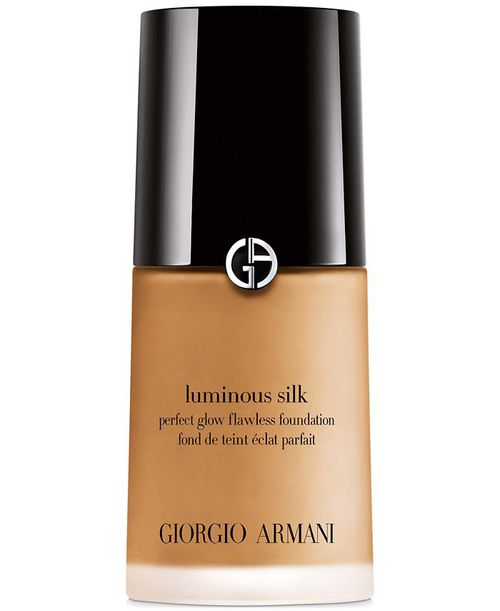
Armani Beauty
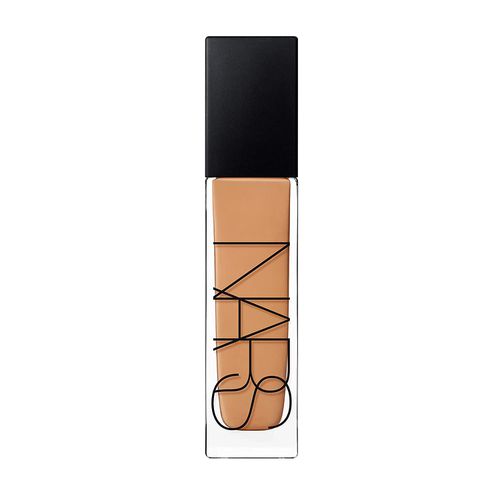
Nars
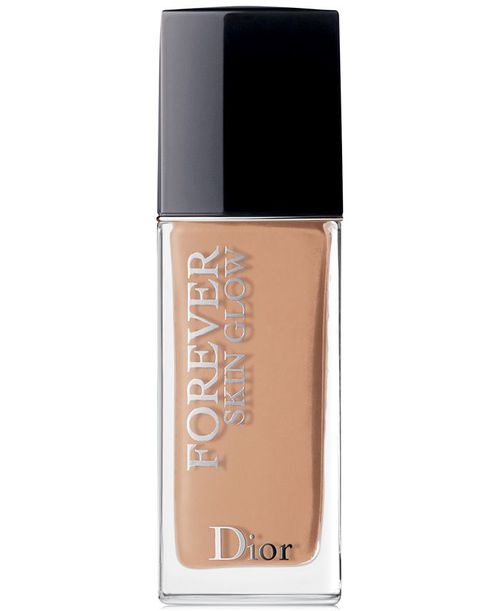
Dior
Matte foundation is fairly easy to navigate as it doesn't have any shiny or sheen finish when applied to the face. Matte foundations can come in a few different formulas versus dewy ones, such as powders, creams, and liquids. Matte foundations also have been known to provide incredible coverage for any skin condition. From covering tattoos to eliminating hyperpigmentation, matte formulas are very popular amongst several different types of consumers.
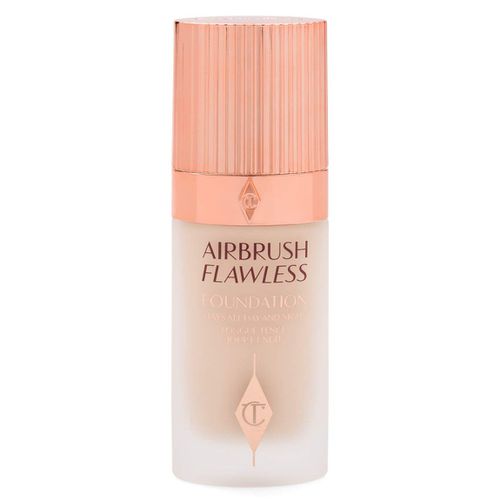
Charlotte Tilbury
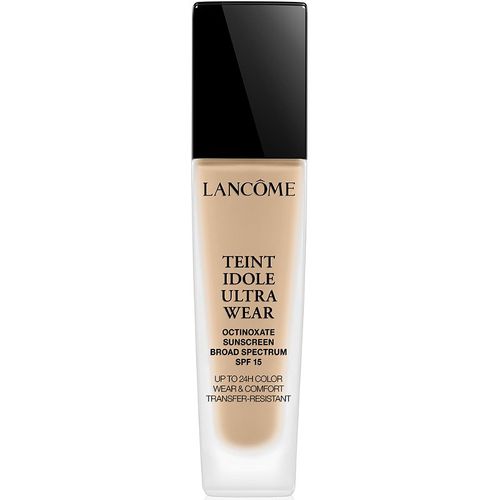
Lancome
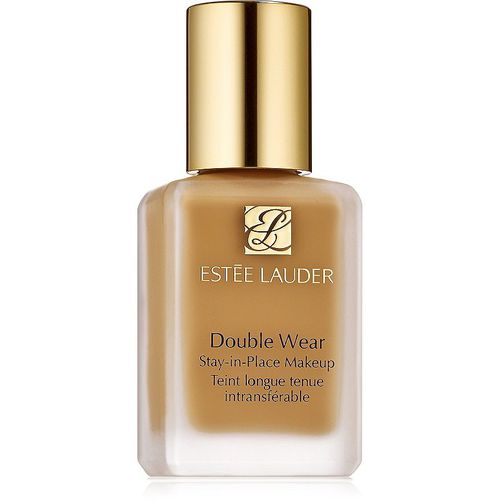
Esteé Lauder
When creating a dewy foundation look, there are a few simple steps that can help you get there without much effort. The first thing to keep in mind is that your skin should be properly hydrated. Apply your skincare or hydrating primer first and let it absorb before moving onto makeup. Applying foundation with a brush will help disperse your makeup properly on the skin regardless of the finish. The more even it looks, the better. To enhance the look of dewy, glowing skin with a foundation, add a few drops of your favorite face oil and mix it into your makeup before blending on the skin. This is an excellent trick also to sheer down your makeup if you've applied too much. Lastly, you can set your makeup with a luminous setting spray to help it last but not lose its dewy glow.
For a matte foundation look, you'll want to prep your skin with products that absorb oil and eliminate shine. Silicone primers or oil-free moisturizers can help aid in creating a matte canvas before you've started with makeup. Depending on which formula you choose (powder or liquid) will determine what tool you use for application. For powder, use a powder brush by lightly buffing the foundation all over the face while building coverage. For liquid and creams, you can use a foundation brush or makeup sponge to blend and add as you go. While you can use fingers to apply makeup, you generally want to avoid this when applying matte formulas to ensure they look even on the skin. To set makeup, apply a translucent powder on top, or opt for a setting spray that promotes the longevity of your makeup yet dries completely matte.
There's no right or wrong way to wear foundation; it's really about finding the formula that works for your skin and something you feel great and confident in. If you aren't sure which formula works for you, try both and see how you like them. You might find you wear dewy finishes in warmer months and matte when it's colder. You also might find you really only like one finish over the other and only wear that. The key is to feel as good as you can in your makeup and invest your money in a foundation that you can't stop raving about.
Which Is Best: Foundation, BB, or CC Cream