
Witch hazel is everywhere. While it might not be the ingredient that gets a spotlight on the packaging, it certainly shows up in a lot of products (especially when it comes to facial skincare). But did you know it can benefit our scalps, too? Particularly for certain hair types, and those with irritated scalps, this ubiquitous ingredient should definitely be in your arsenal. We spoke to a trichologist, dermatologist, and a hair transplant surgeon to learn more about how this ingredient can make a difference in your scalp care routine, how to use it, and more.
Witch Hazel for Hair
Witch hazel is derived from the bark and leaves of a plant called Hamamelis virginiana. “Its leaves and bark are astringent and anti-inflammatory,” says trichologist Bridgette Hill. Witch hazel is antioxidant-rich and has antibacterial properties.
As for how it works, “when applied to the scalp, witch hazel causes the pores to contract or shrink, which is excellent for managing and treating scalp conditions,” Hill explains. “There is a belief that the vasoconstrictive properties—narrowing of the blood vessels—assists with anchoring in the hair follicle and increases blood circulation directly to the follicle,” she says.
A variety of conditions can lead to scalp sensitivity—and that’s where witch hazel comes in. “Sensitivities can arise due to topical and chemical treatments, or dermatological conditions such as atopic dermatitis, psoriasis, or eczema,” says Dr. Craig Ziering, a board-certified hair transplant surgeon and restoration expert. “In these cases where the scalp is irritated or inflamed, or there is excessive cell buildup, witch hazel offers calming benefits,” he explains.
Though both Ziering and Hill are advocates of the use of witch hazel for managing irritated or oil-prone scalps, both also noted that there are not significant studies on the topic. “It has been used for years by some cultures for wound care in the dermis so it may also have natural healing factors,” Ziering notes, adding that “anecdotally, we see a whole range of potential benefits to the scalp.” Among his patients, he’s seen improvements in those with dandruff, flaking, and oily scalp.
It’s important to remember that our scalp is skin, too. In comparison to the skin on our faces, Ziering says, it’s “thicker, with more sebaceous systems and hundreds of thousands of larger follicles.” And healthy, strong hair starts below the skin’s surface. So, while witch hazel does not actually help grow hair, “the root of healthy hair always starts with a healthy scalp and proper functionality of the follicles.”
As mentioned, witch hazel can help manage scalp sensitivity and excessive oiliness. So for those with very dry scalps or strands, witch hazel is a definite no. “Even for those with overly oily or greasy, fine, straight hair, I would suggest only applying this ingredient to the scalp and first 1-2 inches of the hair fiber.” (Of course, if you’re using a product where witch hazel is just one ingredient, there will likely be others intended to counteract the possibility of drying your hair out.)
It’s always key to test new ingredients before fully introducing them into your routine. After all, “many plant-based products appear harmless but can result in allergic reactions,” Connecticut-based, board-certified dermatologist Dr. Mona Gohara notes.
Oftentimes natural hair types “experience oily scalp and dry hair simultaneously,” Ziering says. “However, the hair strands themselves do not tend to be oily or coated in this sebum because of the curl pattern and difference in the shape of the hair. The hair itself, as well as its kinks, coils, waves, and squiggles in the texture, don't allow for as easy transport of sebum. Therefore usually, a Black patient with natural hair can incorporate witch hazel for their scalp to clarify and manage excess oils.”
Whether or not you love DIY beauty, there are plenty of ways to incorporate this ingredient into your scalp and hair care routine.
If you'd rather not DIY, you have plenty of product options to chose from. Here are some of our favorites.
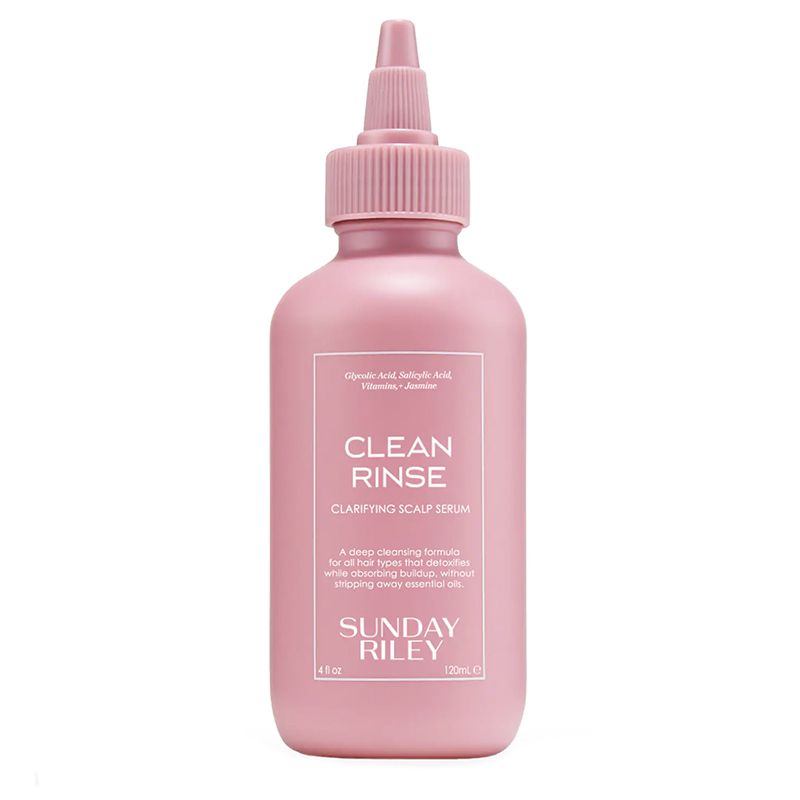 Sunday Riley
Clean Rinse Clarifying Scalp Serum with Niacinamide
$48
Shop
Sunday Riley
Clean Rinse Clarifying Scalp Serum with Niacinamide
$48
Shop
A chemical exfoliant for your scalp, this serum contains glycolic and salicylic acids alongside witch hazel and rose clay to exfoliate the scalp and remove buildup.
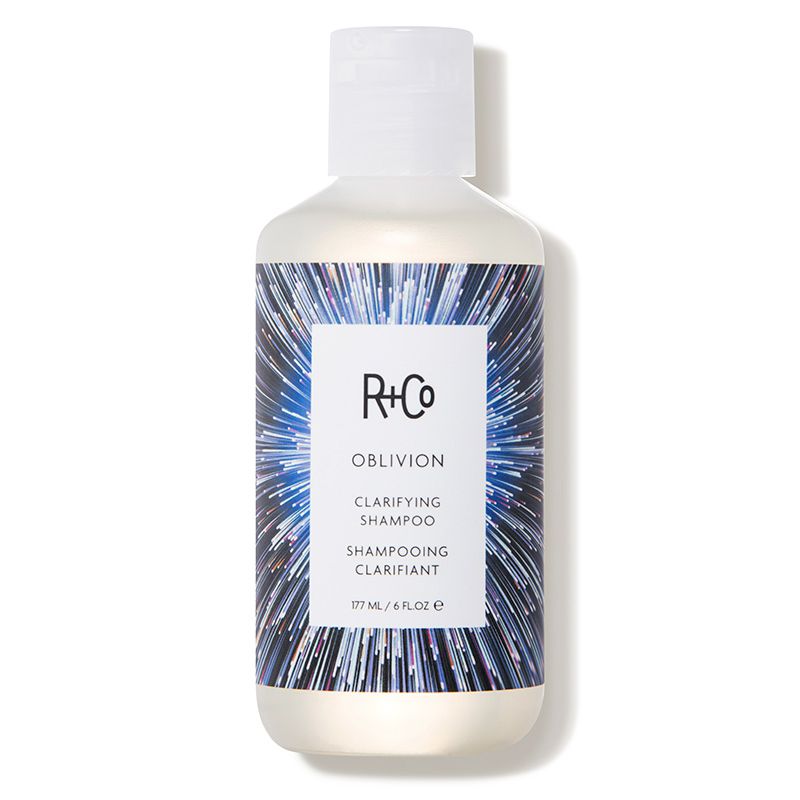 R+Co
Oblivion Clarifying Shampoo
$27
Shop
R+Co
Oblivion Clarifying Shampoo
$27
Shop
A clarifying shampoo is a staple in the haircare arsenal of anyone who’s oil-prone or uses a lot of product. Witch hazel, tea tree oil, and rosemary leaf extract help clarify and deep clean the scalp and hair, while coconut oil and glycerin ensure it doesn't dry out.
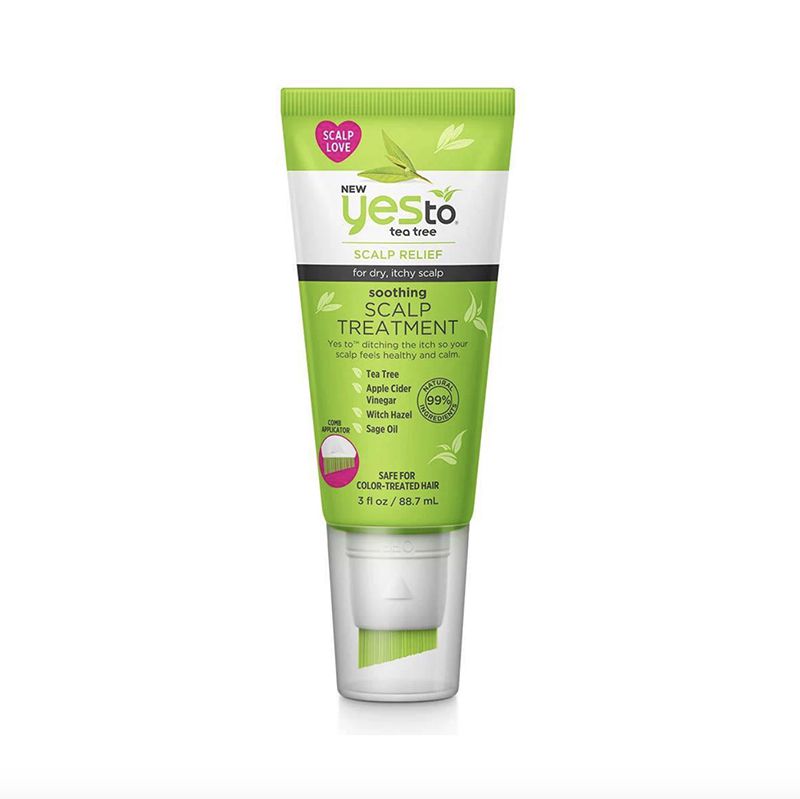 Yes to
Tea Tree Soothing Scalp Treatment
$8
Shop
Yes to
Tea Tree Soothing Scalp Treatment
$8
Shop
Use this pre-shampoo soothing treatment to help banish itch. Witch hazel, apple cider vinegar, and tea tree work together to clarify, soothe, and cleanse the scalp.
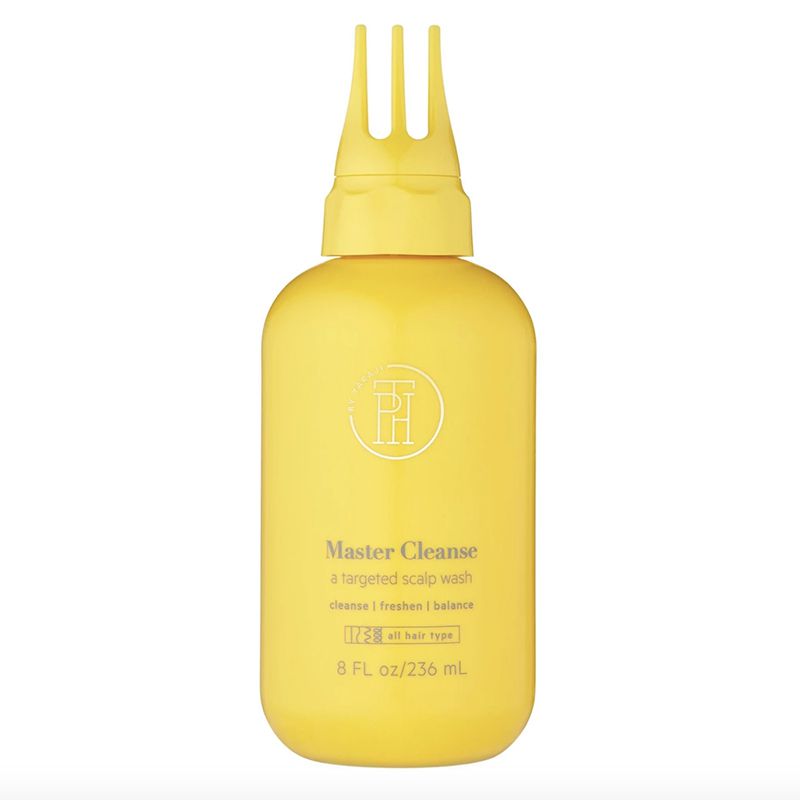 TPH by Taraji
Master Cleanse Scalp Treatment Wash
$15
Shop
TPH by Taraji
Master Cleanse Scalp Treatment Wash
$15
Shop
The three-pronged applicator on this hybrid scalp treatment/shampoo makes it easy to ensure that the witch hazel, eucalyptus, and tea tree are actually reaching the areas of your scalp that need them most.
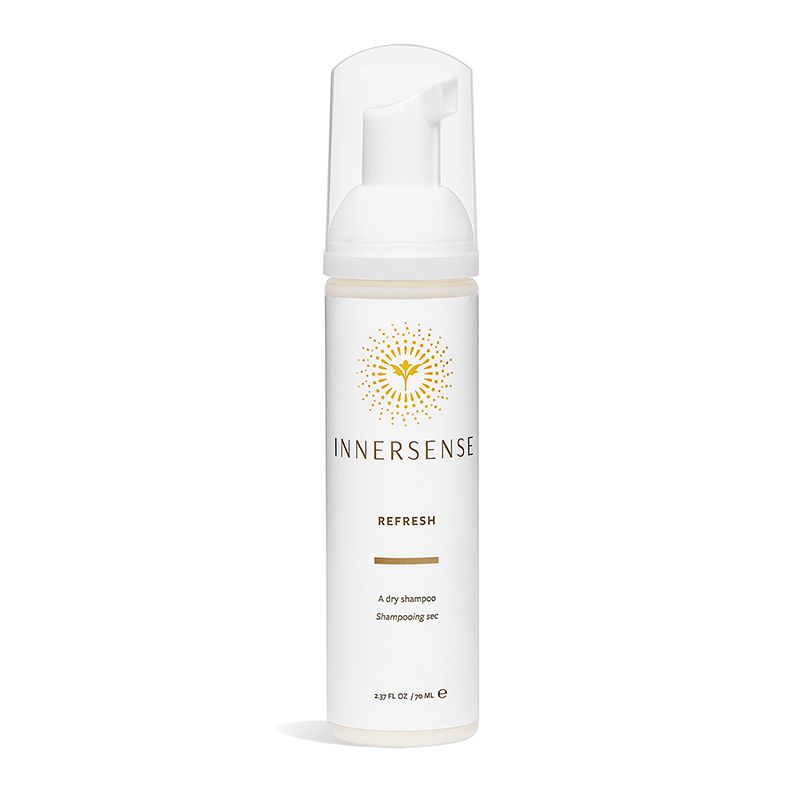 Innersense
Refresh Dry Shampoo
$24
Shop
Innersense
Refresh Dry Shampoo
$24
Shop
This clean beauty take on a foam dry shampoo uses tapioca starch and witch hazel to absorb excess oils, allowing your blowout to live to see another day.
Confirmed: The Uses for Witch Hazel Are Pretty Much Endless